



variable frequency motor
Variable frequency drives play an important role in modern industrial automation and motor control. They achieve precise control of the motor's speed and torque under different operating conditions by adjusting the frequency and voltage provided to the motor. This control method has many advantages compared to traditional mechanical speed regulation methods, such as energy saving, improved efficiency, and extended equipment life. The core principle of Variable Frequency Drives The core principle of variable frequency drives VFDs is to use power electronics technology to convert alternating current into the required frequency and voltage to meet various application needs. With the development of technology, the application scope of Variable Frequency Drives is constantly expanding, from industrial automation to HVAC systems, and then to transportation and renewable energy fields, with far-reaching impacts. Its appearance greatly improves the speed regulation performance of motors and provides a technical foundation for achieving intelligent control. The working process of Variable Frequency Drives mainly relies on their internal power electronic converters Firstly, VFD drives utilize rectifiers to convert the input alternating current (AC) into direct current (DC). Next, the inverter converts the DC power back into AC power with adjustable frequency and amplitude. By adjusting the control parameters of the inverter, Variable Frequency Drives can accurately adjust the output frequency and voltage to achieve the desired magnetic field and torque of the motor. The key to this process is the optimization of control strategies, such as vector control or direct torque control, to ensure that the motor can operate stably and smoothly under different working conditions. Thus, the operator can easily adjust the motor speed according to actual needs without the need for mechanical transmission devices, thereby achieving the goals of energy conservation and equipment protection. In practical applications, Variable Frequency Drives can significantly improve energy efficiency Traditional mechanical speed regulation methods, such as mechanical reducers or shifters, often come with energy loss and mechanical wear. The variable speed drive , through electronic adjustment, not only achieves continuously variable transmission, but also avoids frequent wear and tear of mechanical transmission components, extending the service life of the equipment. In addition, Variable Frequency Drives can also achieve soft start function, reduce mechanical and current shocks during startup, lower grid load, and enhance system reliability. These advantages make Variable Frequency Drives widely used in conveyor systems, pumps, fans, compressors, and other equipment, not only saving energy, but also improving production efficiency and system stability. In addition to energy conservation and equipment protection, Variable Frequency Drives also bring higher flexibility to industrial control By integrating with automation control systems, VFD controllers can dynamically adjust motor operating parameters based on sensor signals or program instructions, achieving complex process control. For example, on the production line, the processing speed of different products can be adjusted through Variable Frequency Drives without the need to replace mechanical adjustment devices. This digital control method not only simplifies the operation process, but also facilitates remote monitoring and fault diagnosis. At the same time, Variable Frequency Drives also have multiple protection functions, including overload protection, overvoltage and overcurrent protection, short circuit protection, etc., effectively ensuring the safety and stability of equipment operation. In the future, with the advancement of intelligent manufacturing and Industry 4.0, the technology of Variable Frequency Drives will develop towards greater intelligence and integration With the help of advanced technologies such as the Internet of Things and artificial intelligence, Variable Frequency Drives are expected to achieve self diagnosis, self optimization, and remote control, providing more efficient and reliable solutions for industrial production. Meanwhile, with the development of new and green energy, Variable Frequency Drives will play an important role in fields such as wind power and solar power, contributing to the achievement of low-carbon economic goals. Overall, Variable frequency drives not only achieve efficient and smooth control of motors by adjusting their frequency and voltage, but also promote the upgrading and development of industrial automation as a whole. In the future, with continuous technological innovation, Variable Frequency Drives will play a more critical role in the direction of intelligence and greening, providing solid technical support for economic development and environmental protection. Variable Frequency Drives FAQs What is the basic working principle of Variable Frequency Drives? Variable Frequency Drives control the motor through the following steps: Rectification: Convert input alternating current (AC) into direct current (DC). Filtering: Smooth the DC voltage to reduce fluctuations. Inverter: Convert direct current into alternating current with variable frequency and voltage through PWM (pulse width modulation) technology. By adjusting the output frequency and voltage (maintaining a constant V/F ratio), the motor speed and torque can be changed to meet the load requirements. Why do Variable Frequency Drives need to adjust both voltage and frequency simultaneously? Avoid magnetic saturation: The magnetic flux of the motor is related to the voltage/frequency ratio (V/F). If only frequency regulation is used without voltage regulation, magnetic flux saturation at low frequencies will cause overheating, and insufficient magnetic flux at high frequencies will reduce torque. Maintaining torque: A constant V/F ratio ensures that the motor maintains its rated magnetic flux at different speeds, thereby providing stable torque (such as for fan and pump loads). Energy saving: Reducing frequency and voltage can reduce energy consumption under light loads (such as a decrease in input power when the motor is running at low speeds). How can Variable Frequency Drives achieve soft start and braking? Soft start: Variable Frequency Drives avoid large current surges during direct start by gradually increasing the output frequency and voltage (can reduce the starting current to less than 1.5 times the rated current, while direct start may reach 68 times). Braking: Dynamic braking: consumes regenerative energy through braking resistors. Feedback braking: Feed the regenerated electrical energy back to the grid (requires additional circuitry). DC braking: Injecting DC current to quickly stop the motor. What are the main advantages of using Variable Frequency Drives? Energy saving: Adjust the speed according to the load demand (such as pump/fan load power proportional to the cube of speed). Precise control: achieve stepless speed regulation to meet process requirements (such as conveyor belts and machine tools). Protection motor: Provides protection functions such as overcurrent, overvoltage, undervoltage, and overheating. Reduce mechanical stress: Soft start/stop extends equipment life. What issues should be noted in the application of Variable Frequency Drives? Harmonic interference: Variable Frequency Drives may generate harmonics and require the installation of reactors or filters. Motor heating: Insufficient heat dissipation may occur during low-frequency operation (forced cooling or reduced capacity is required). Cable length limitation: Long cables may cause voltage reflection and damage motor insulation (it is recommended to use output reactors or sine wave filters). EMC issue: Shielding cables and grounding are required to reduce electromagnetic interference.
We focus on providing one - stop international trade solutions, including product procurement, international logistics, market consulting, and supply chain management services.
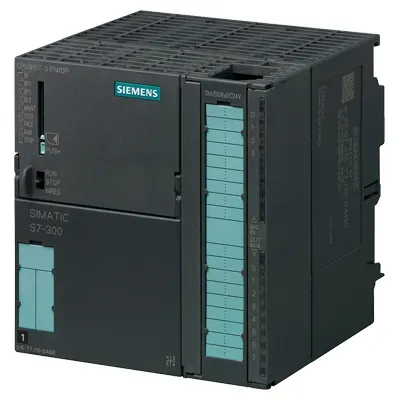
what is vsd drive
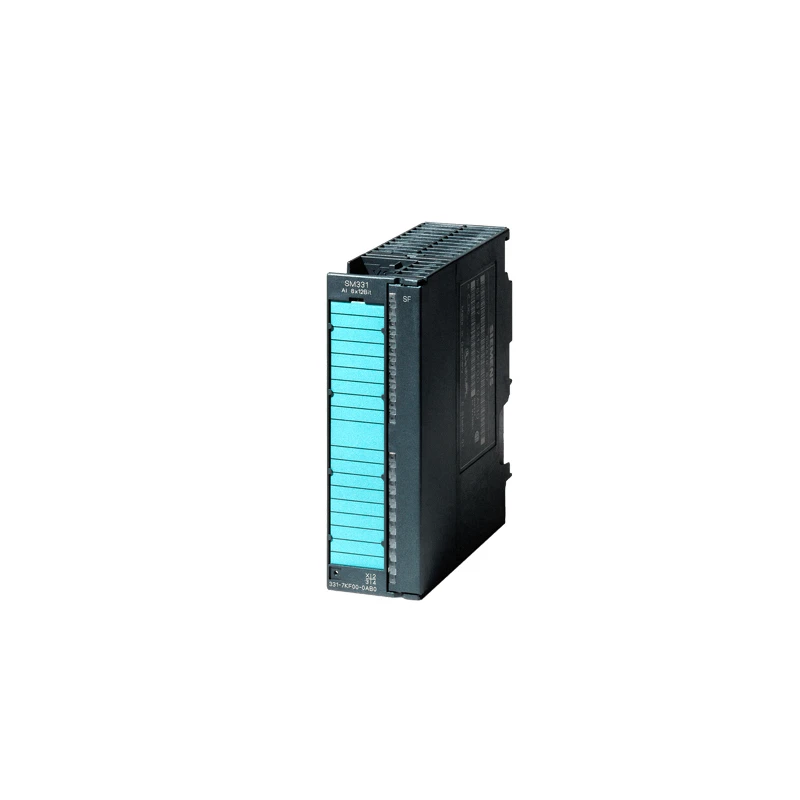
plc sinumerik
siemens 1512c
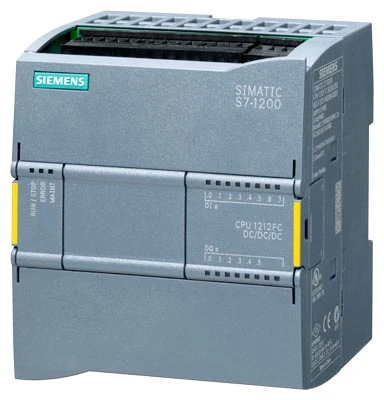
cheap variable frequency drive
simatic et 200m im 153 1
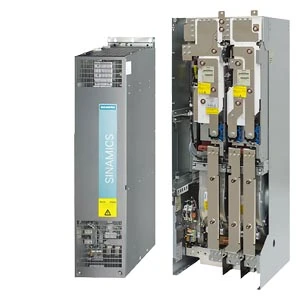
30 hp vfd
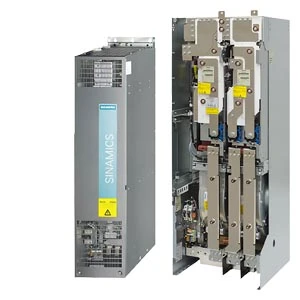
6sl3420 1te21 0aa1
We focus on providing one - stop international trade solutions including product procurement, international... logistics market consulting and supply chain management services
-
2026-04-06 05:50
variable_frequency_drive_pump_control
Variable frequency drives play an important role in modern industrial automation and motor control. They achieve precise control of the motor's speed and torque under different operating conditions by adjusting the frequency and voltage provided to the motor. This control method has many advantages compared to traditional mechanical speed regulation methods, such as energy saving, improved efficie
-
2026-04-06 05:46
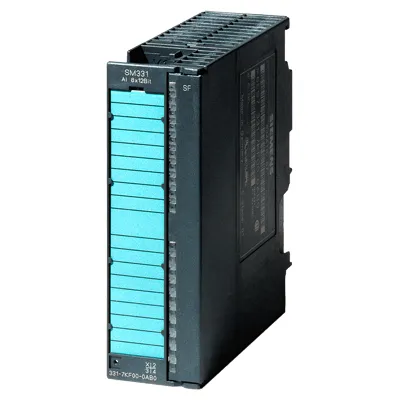
314c_2dp
compact cpu,cpu 313c 2 ptp,cpu 313c is a key solution in the Industrial Automation industry, specifically within Industrial control system and And programmable controllers. This article explores how Tianjin Yongkai International Trade Co., Ltd. supports professionals with durable, high-performance products, and explains why this product is an ideal choice for businesses in these sectors. Table of
-
2026-04-06 05:30
6es7590_1bc00_0aa0
The 6ES7 318 3EL01 0AB0 is a high-performance Siemens PLC module designed for precision control in industrial settings. This module offers advanced features and capabilities, making it an ideal choice for applications requiring precise control and monitoring. With its robust design and reliable performance, the 6ES7 318 3EL01 0AB0 ensures seamless integration into your existing Siemens PLC system,
Call Us or Fill the Form
- +8613821343088 +8613603111169
- xudong.an@tianjingyongkai.com
-
Room 1 - 543, Building E, Zhonghui Xiyuan Plaza, Central Business District, Binhai, Tianjin